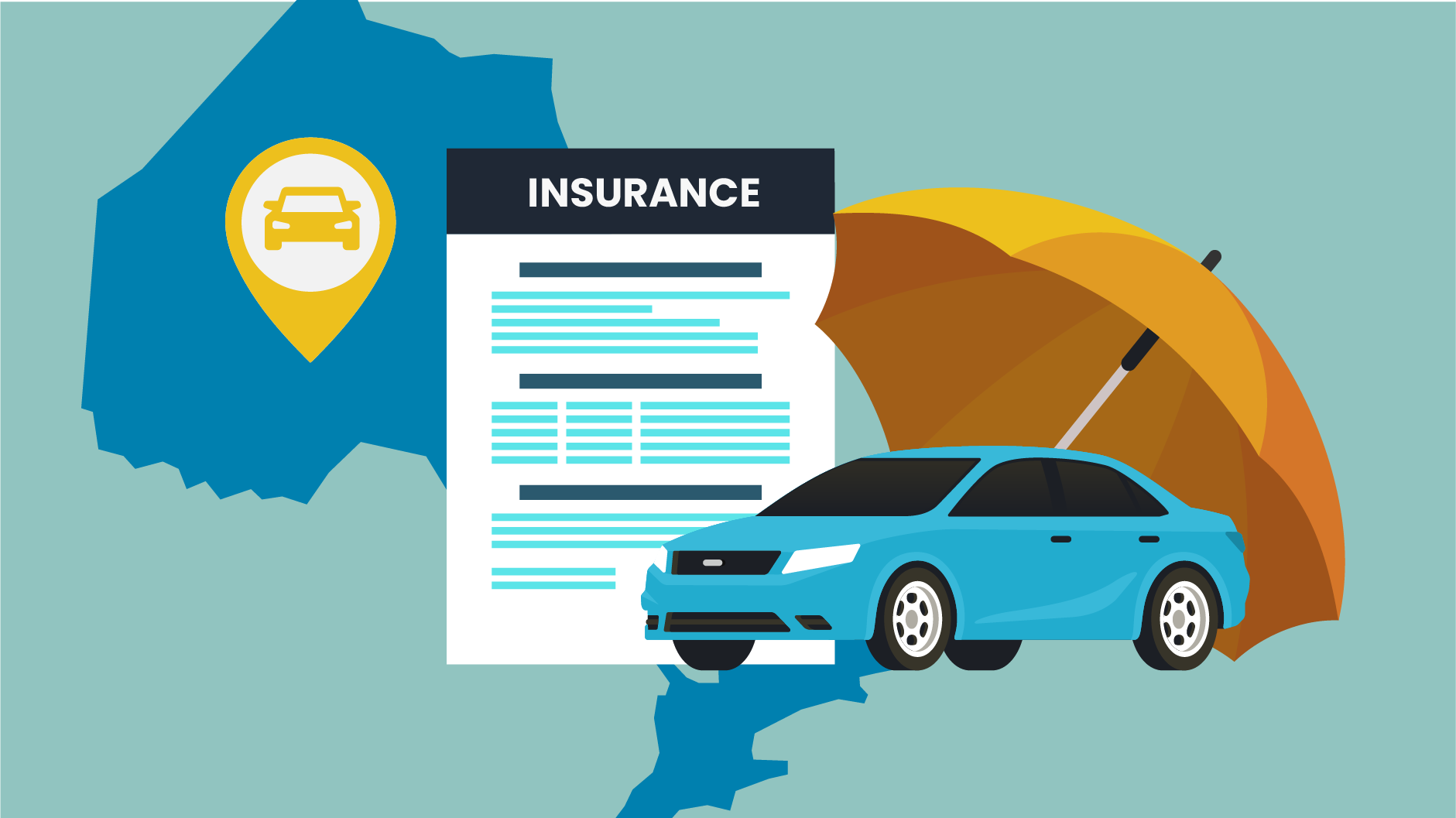
Here’s a scenario that plays out more often than you’d think: a buyer finds their dream car on Clutch, gets approved for financing, and starts picturing their first road trip. Then they call their insurance company.
The quote comes back hundreds — sometimes over a thousand dollars — more than expected. The dream car suddenly doesn’t fit the budget. They walk away.
We dug into Clutch’s purchase data to understand how often this happens, and which vehicles trigger the most sticker shock. What we found surprised us: it’s not the expensive cars that cause problems.
Insurance Is the #3 Budget Breaker
Insurance cost is the third most common reason buyers walk away from a Clutch purchase, behind financing approval and switching to a different vehicle.
While 2.75% may sound small, the pattern underneath is striking — it clusters around specific vehicle types in ways that defy expectations.
The Sticker Shock Vehicles
These are the affordable cars (under $25K at Clutch) with the highest insurance walkaway rates. They’re the vehicles where the gap between what a buyer expects to pay for insurance and what they’re actually quoted is large enough to break the budget.
Notice the pattern: these aren’t luxury SUVs or sports cars. They’re sedans and small cars that buyers choose because they seem affordable. The insurance quote flips the math.
Sedans Are the Problem
When we look at insurance walkaway rates by body style, the hierarchy is clear. Sedan buyers walk away at more than 5× the rate of van buyers, and nearly double that of SUV shoppers.
Why do sedans lead? A few reasons compound: sedans skew toward younger drivers (higher premiums), theft-prone models cluster in the sedan category, and sedans generally lack the “family vehicle” insurance discounts that SUVs and vans enjoy.
The Hyundai/Kia Factor
Hyundai and Kia models show up disproportionately in our insurance walkaway data. The reason has a name: the “Kia Boys” phenomenon.
Between 2011 and 2022, most Hyundai and Kia vehicles shipped without engine immobilizers — a basic anti-theft feature standard on virtually every other brand. Videos showing how to steal these cars with a USB cable went viral, and theft claims skyrocketed.
EVs Pay a 30% Premium Penalty
Electric vehicles save on fuel, but they cost more to insure. Our data shows EV buyers walk away 30% more often than gas vehicle buyers due to insurance cost — and Ontario premium benchmarks confirm the gap.
Ontario EV premiums run about 19% higher than gas equivalents. Higher repair costs, specialized parts, and battery replacement risk all drive the gap.
If you’re budgeting for an EV, factor in both the fuel savings and the higher insurance cost. The total cost of ownership math still often favours EVs, but the insurance line item can catch first-time EV buyers off guard.
The Pleasant Surprises
On the other end of the spectrum, some of the most expensive vehicles on Clutch have zero insurance surprises. These $30K–$50K vehicles had a 0% insurance walkaway rate — not a single buyer walked away because of an insurance quote.
What do these vehicles have in common? Low theft rates, family-oriented demographics, and annual premiums in the $1,300–$1,900 range. A $44K 4Runner costs less to insure per year than a $13K Kia Optima with a theft surcharge. Price doesn’t predict insurance cost — risk profile does.
Brand Rankings
Insurance walkaway rates by brand reveal a clear pattern: premium and performance nameplates cluster at the top, while truck-heavy and family brands sit at the bottom.
Genesis and Lexus lead the pack, with premium sedans driving their rates up. Honda’s appearance near the top is thanks to the Civic — one of Canada’s bestselling cars and a frequent target for theft. Truck-heavy brands like RAM, Subaru, and GMC sit near the bottom with minimal insurance surprises.
Key Takeaways
.avif)